Agent-native AI sales prospecting

Give your AI agent a prospecting workflow it can explain

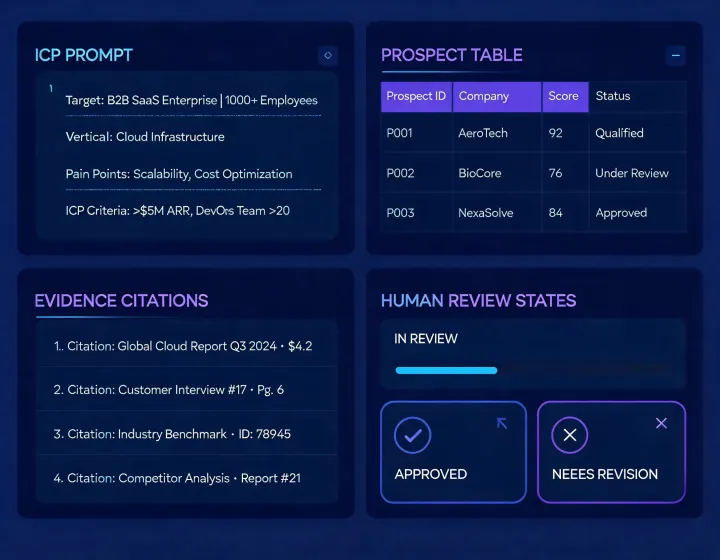
Describe the ICP, territory, evidence threshold, and exclusions. Lindy AI turns that brief into a reviewable account shortlist while keeping uncertain fields and source context visible.

See the first result

Copying does not install anything. Run and configure the package in your own supported agent runtime.

INSTALLnpx -y @okki-global/okki-go-taroball
EXAMPLE BRIEF
Find infrastructure software firms hiring RevOps. Require two public buying signals and label every inference.
Agent prospecting workspace showing an ICP brief and reviewable results

Key features

Move from a market hypothesis to evidence without hiding the steps

Firmographic and technographic criteria arranged in an ICP canvas
01 · Define

Translate an ICP into explicit acceptance rules

Capture company type, geography, role context, technographic signals, and disqualifiers before research begins. The agent keeps observations separate from inferences so a GTM engineer or RevOps reviewer can understand why an account qualifies.
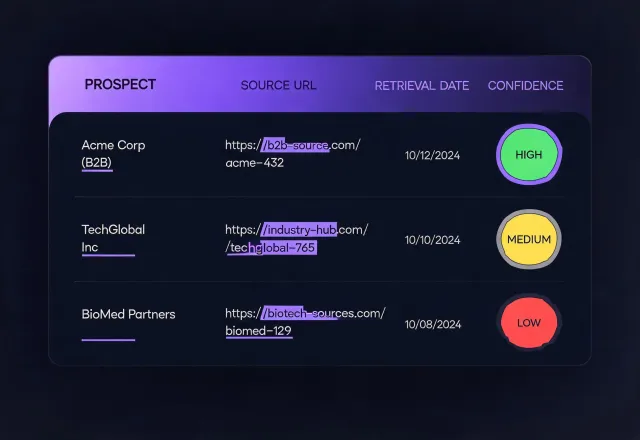
Evidence ledger linking prospect records to public sources
02 · Research

Keep provenance attached to every useful signal

Job postings, leadership changes, product launches, and stack clues remain connected to their source context. Missing or stale fields stay visible instead of being silently converted into confident data.

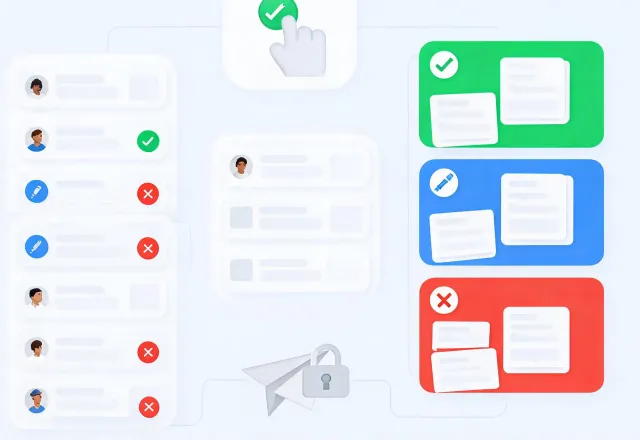
Human review queue for prospecting and outreach decisions
03 · Review

Put a human gate before enrichment, export, or outreach

Reviewers can reject weak matches, check suppression requirements, and verify recipient relevance. Email verification, SPF, DKIM, DMARC, and regional outreach obligations remain separate operational checks—not blanket promises.

Prompt to result

Three roles, three reviewable prospecting briefs

For SDRs

Build a focused account queue

  1. Brief: Territory, segment, exclusions, and trigger.
  2. Agent actions: Discover accounts and collect public evidence.
  3. Review gate: Confirm fit, recency, and suppression rules.
  4. Output: Ranked SAMPLE shortlist with source context.
For founders

Test a narrow market thesis

  1. Brief: Problem hypothesis and ideal buyer role.
  2. Agent actions: Find companies displaying relevant change.
  3. Review gate: Challenge inference and remove weak evidence.
  4. Output: Research notes ready for a manual conversation.
For RevOps

Audit list-building logic

  1. Brief: Required fields, provenance, and confidence schema.
  2. Agent actions: Research and label data-source boundaries.
  3. Review gate: Compare match quality and provider coverage.
  4. Output: Reproducible evaluation set, not a database-size claim.

Operating states

Progress is measured by inspectable states, not invented performance numbers

⌁Brief

ICP rules recorded

◎Evidence

Sources attached

✓Review

Human decision logged

↗Output

Next action explicit

Four-state runbook

Copy is not install; install is not a first result

  1. 01

    Copy

    npx -y @okki-global/okki-go-taroball

    Success: the exact command is in your clipboard. Next, choose the terminal for your agent runtime.

  2. 02

    Run

    Inspect package provenance and requested permissions before execution.

    Success: installation finishes without a package or permission error.

  3. 03

    Configure

    Store only required provider keys in the runtime secret store and scope access narrowly.

    Success: the agent recognizes the skill without exposing a credential.

  4. 04

    First result

    Use a narrow ICP, request citations, and keep uncertain matches visible for human review.

    Success: a structured SAMPLE result arrives with provenance and no automatic send.

FAQ

Questions to resolve before a production workflow

What does the command do?

It invokes the published installer through npx. Review terminal output, package provenance, permissions, and runtime policy before proceeding.

Does clicking Copy install the skill?

No. It only places the exact command on your clipboard. You decide where and when to execute it.

How are API keys handled?

Use the secret-management mechanism provided by your runtime. Limit scopes, rotate credentials, and never paste secrets into prompts.

Will it send cold email automatically?

The recommended workflow keeps targeting, message approval, suppression, and send decisions under human control.

Does verification guarantee inbox placement?

No. Address verification is time-bound evidence. Sender reputation, list quality, content, and SPF/DKIM/DMARC configuration also matter.

What should the first test look like?

Use a small territory and explicit acceptance criteria, then inspect every source and reviewer override before expanding scope.